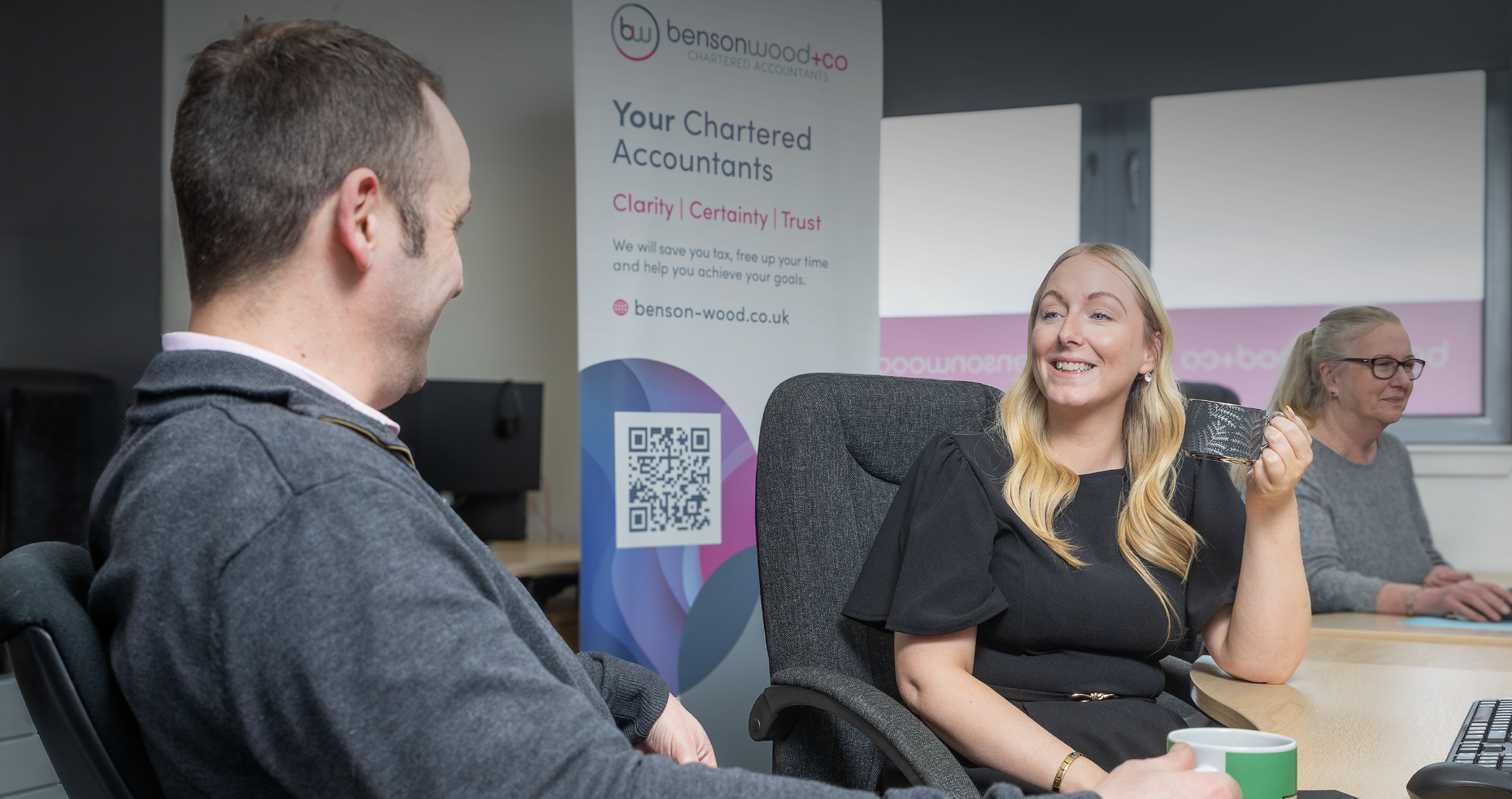
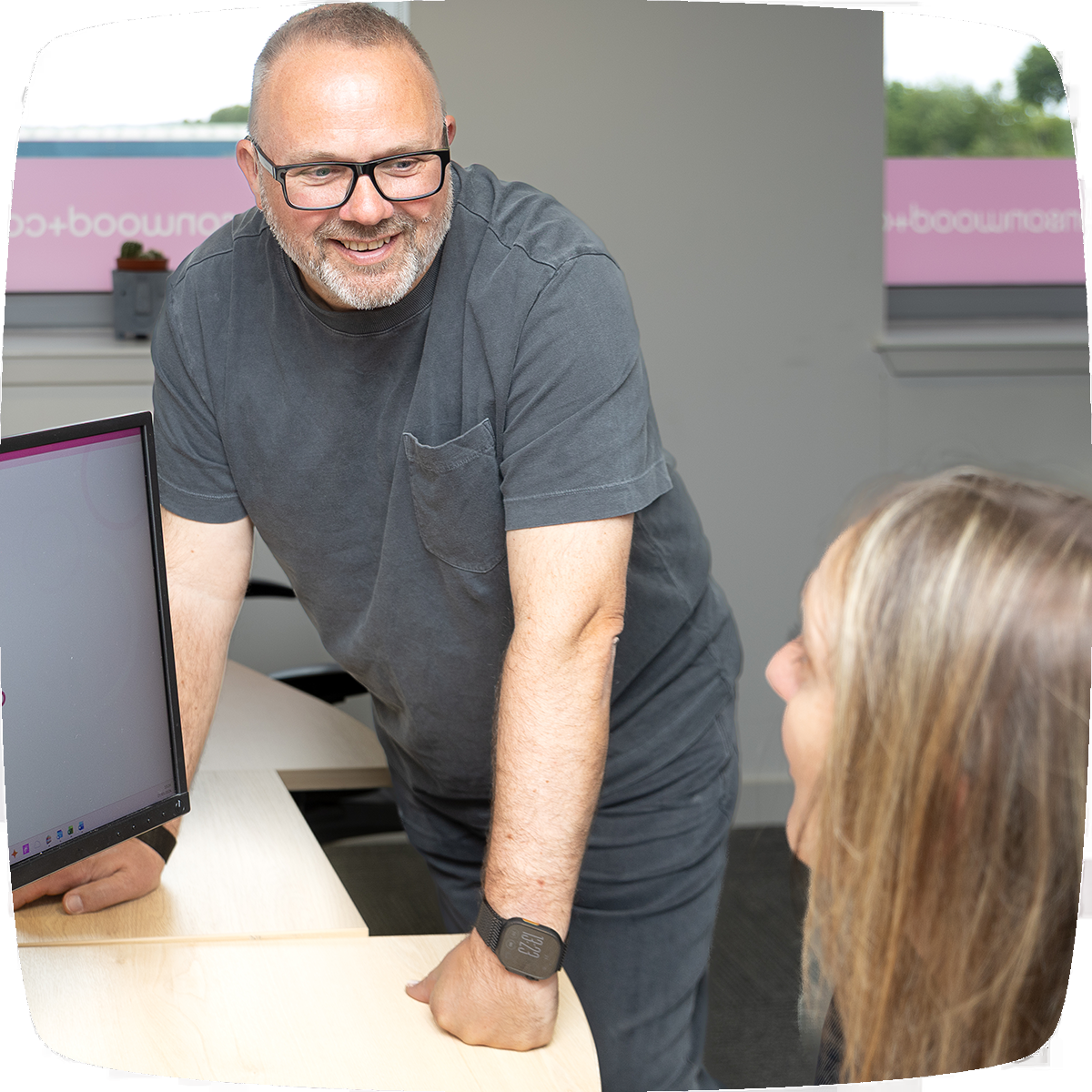
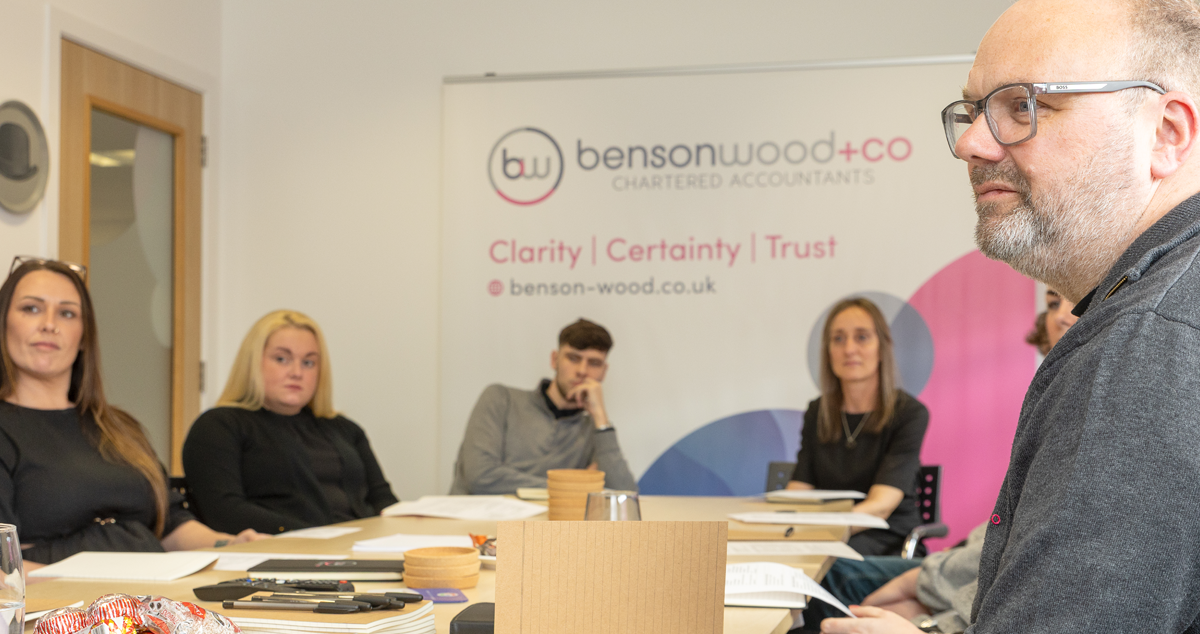
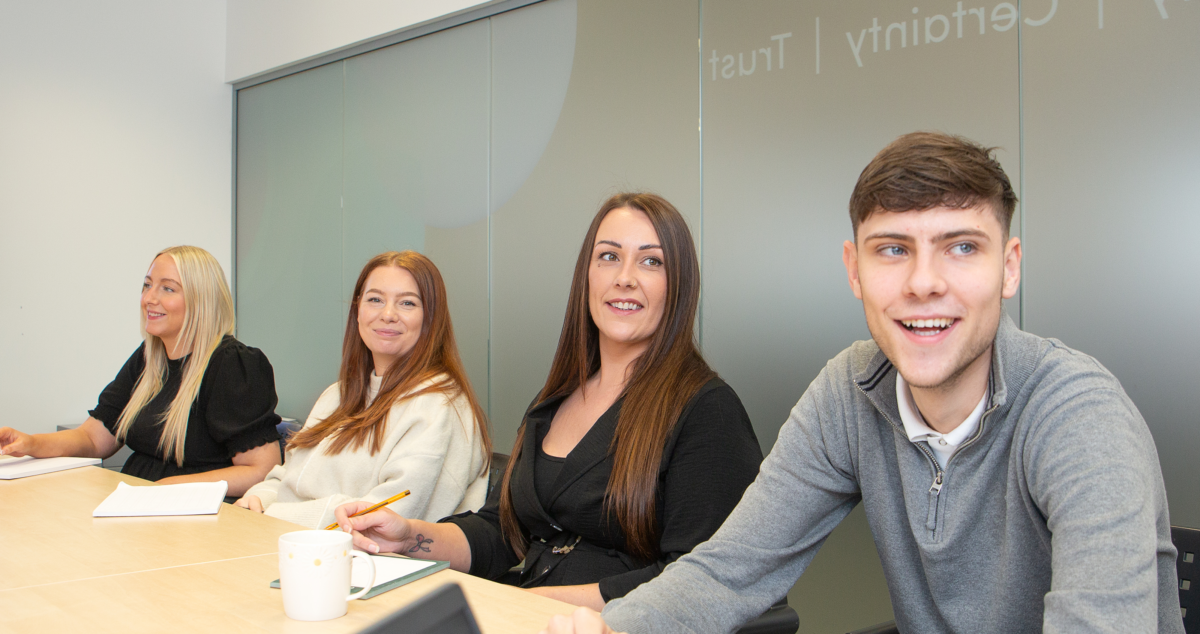
Development here isn’t built around one big appraisal once a year. We talk about it all the time.
It comes through in our morning huddles and monthly one-to-ones, as well as in the day-to-day work people do with clients and the rest of the team.
The skills matrix reviews give us another way to track development more formally.
It means we can see how someone is getting on regularly, rather than waiting months to find out what support they need.
It might be formal technical training. But it may be sitting in on client meetings, seeing how a question gets answered, or watching how a decision gets explained to a business owner.
That side of the job is harder to put neatly into a training plan, but it’s a big part of how people learn to become good advisers.
We fund professional qualifications, including course fees, exam fees, professional subscriptions, study materials, and time off for study and exams.
At different points, we’ve supported people through CA, ACCA, AAT, Graduate Apprenticeship and CIPP routes. People learn in different ways, so the right path depends on the individual.
Flexible working plays its part too.
Study, exams, childcare and caring responsibilities don’t always fit neatly around a standard working week. Where we can, we look at what the person needs, what the role needs, and how to make the two work together.
We want to help people keep developing without making life harder than it needs to be.